
Lookup
Wood species guide
Pick a wood at a glance: how hard it is, how easy it is to work, how it takes a finish and what people make with it. Hardness bands are our own cut-offs on the handbook’s figures. The other labels come from the USDA Forest Products Laboratory Wood Handbook, The Wood Database and one lumber supplier’s prices, using the written rules below, and each one names its source.
Find a wood
JavaScript is off, so search and filters are not available. The full list is below.
The woods
No species match. Clear the search or pick “Any”.
| Species | Hardness | Workability | Finish | Good for | Price band |
|---|---|---|---|---|---|
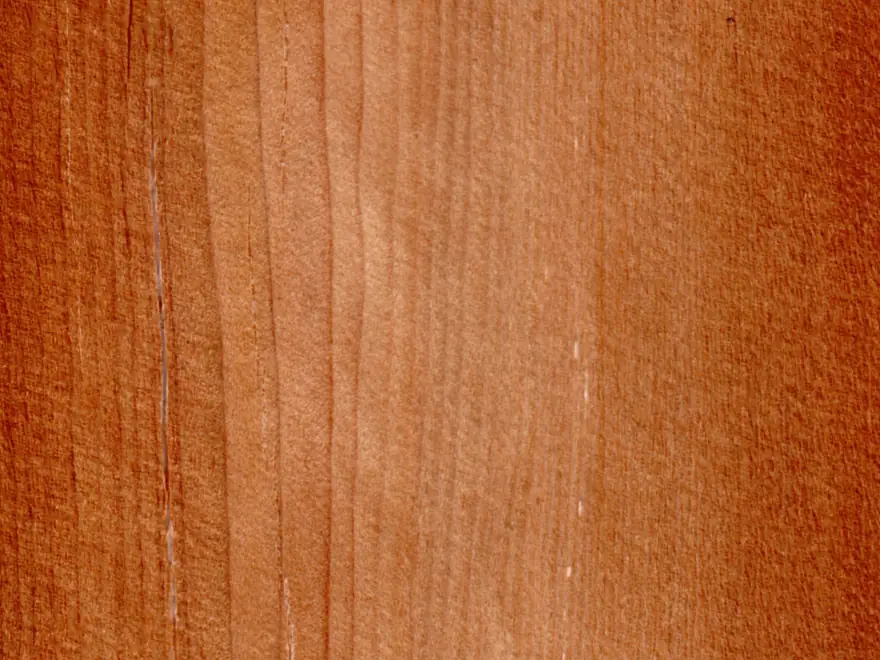
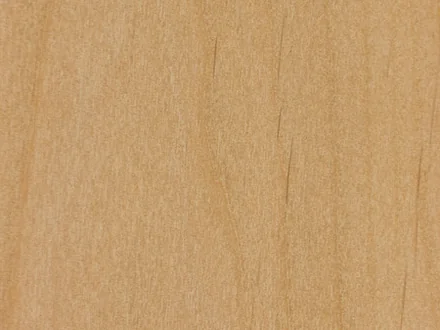 Alder, red Domestic hardwood | Soft | Easy | Finishes well | Furniture, Trim and millwork | $ |
| |||||
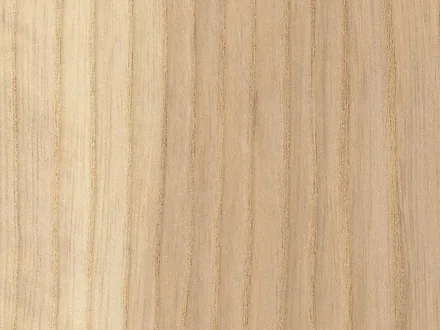 Ash, white Domestic hardwood | Hard | Easy | Finishes well; open pores: fill for a smooth finish | Furniture, Cabinets, Flooring, Trim and millwork | $ |
| |||||
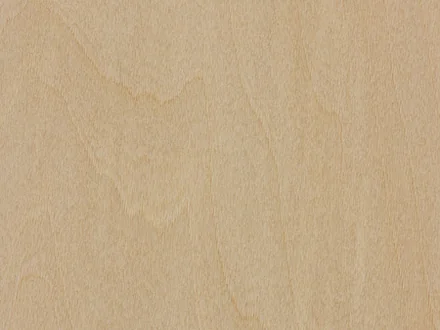 Basswood, American Domestic hardwood | Soft | Easy | Finishes well | Trim and millwork, Turning and carving | $ |
| |||||
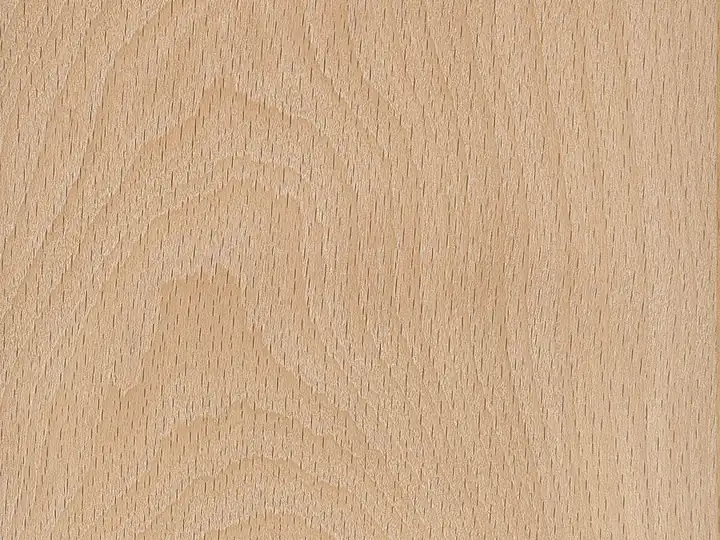
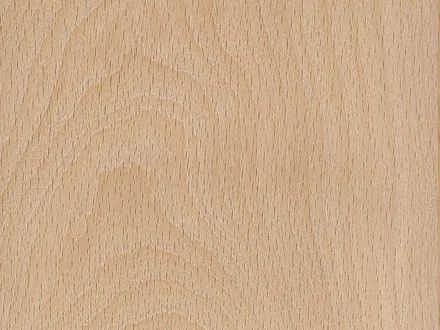 Beech, American Domestic hardwood | Hard | Easy | Finishes well | Flooring, Furniture | |
| |||||
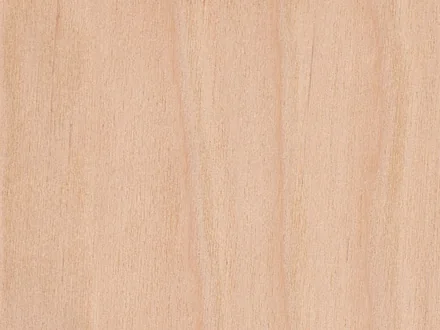 Birch, yellow Domestic hardwood | Hard | Easy | Finishes well | Furniture, Trim and millwork | |
| |||||
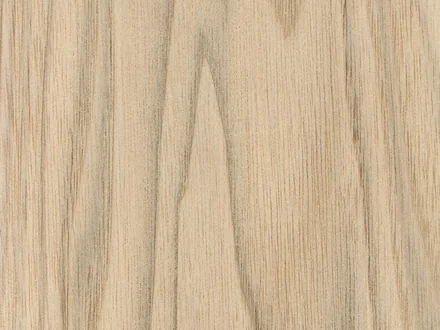 Butternut Domestic hardwood | Soft | Easy | Finishes well | Furniture, Cabinets, Trim and millwork | |
| |||||
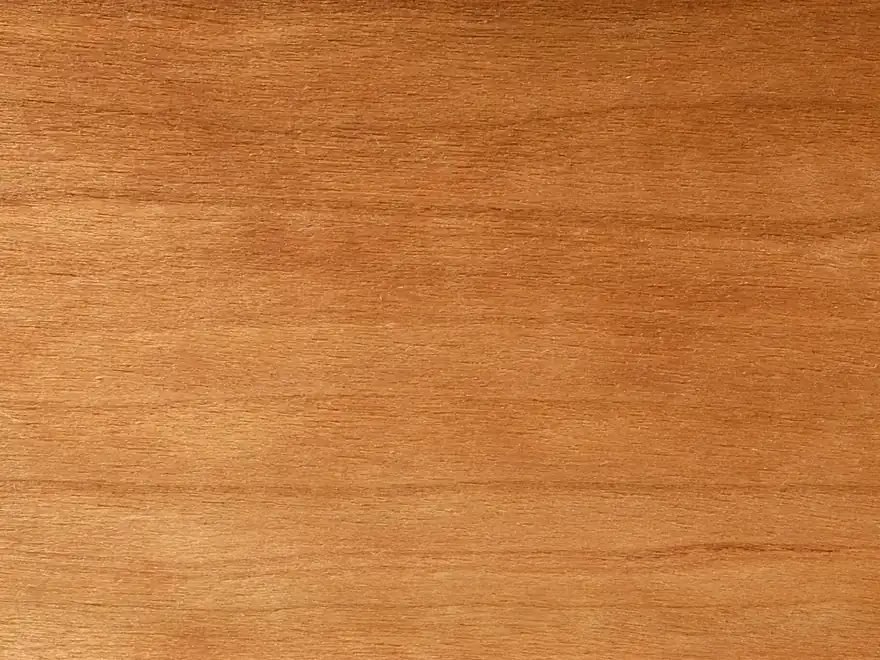
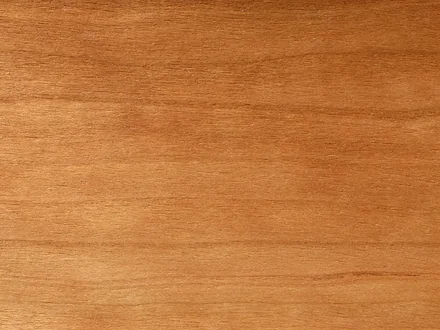 Cherry, black Domestic hardwood | Medium | Easy | Can blotch when stained; small pores | Furniture, Trim and millwork | $$ |
| |||||
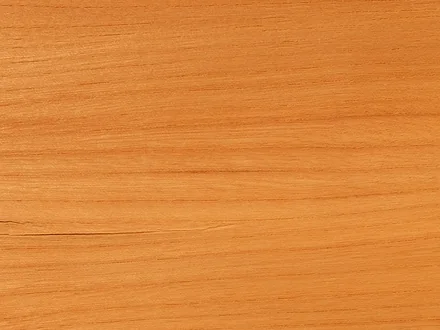 Elm, American Domestic hardwood | Medium | Tricky | Finishes well | Furniture | |
| |||||
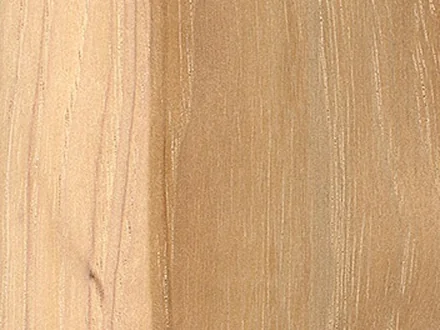 Pecan (pecan hickory) Domestic hardwood | Hard | Tricky | Finishes well; open pores: fill for a smooth finish | Flooring | |
| |||||
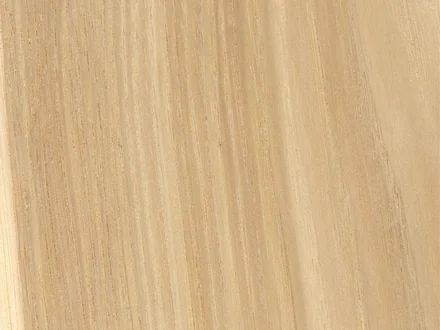 Hickory, shagbark Domestic hardwood | Hard | Tricky | Finishes well; open pores: fill for a smooth finish | Furniture | |
| |||||
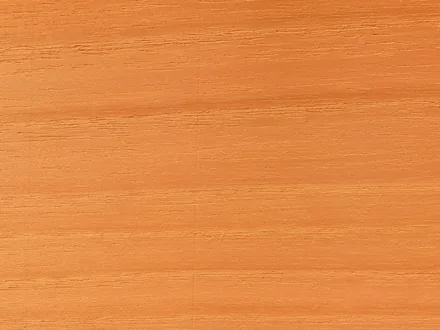 Locust, black Domestic hardwood | Hard | Tricky | Finishes well | Outdoor | |
| |||||
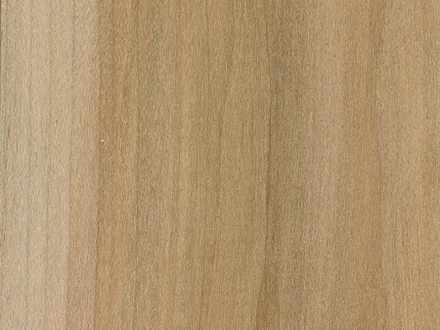 Maple, red Domestic hardwood | Medium | Moderate | Can blotch when stained; small pores | Furniture | |
| |||||
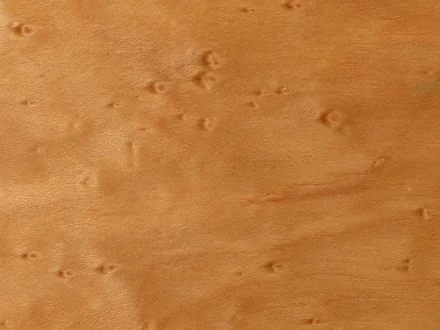 Maple, sugar Domestic hardwood | Hard | Moderate | Can blotch when stained; small pores | Flooring, Furniture, Cabinets | $$ |
| |||||
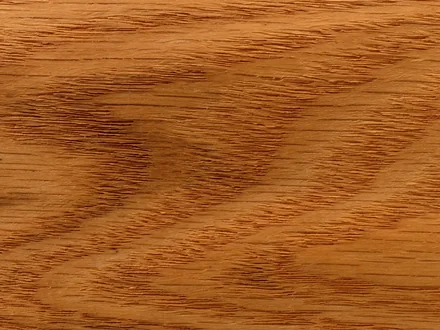 Oak, northern red Domestic hardwood | Hard | Easy | Finishes well; open pores: fill for a smooth finish | Flooring, Furniture, Trim and millwork | $ |
| |||||
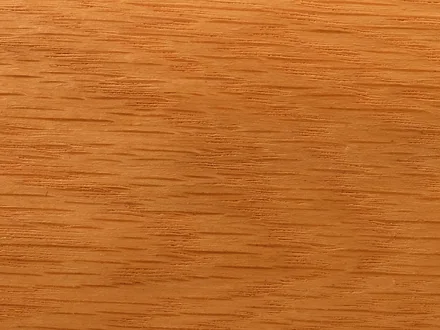 Oak, white Domestic hardwood | Hard | Easy | Finishes well; open pores: fill for a smooth finish | Furniture, Flooring, Trim and millwork, Boats | $$ |
| |||||
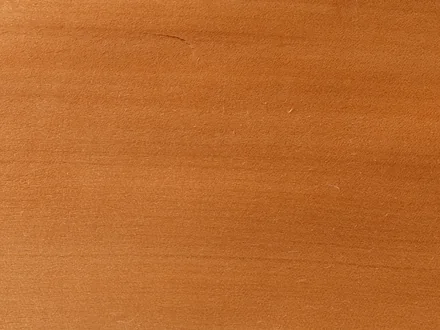 Sweetgum Domestic hardwood | Medium | Easy | Finishes well | Furniture, Trim and millwork | |
| |||||
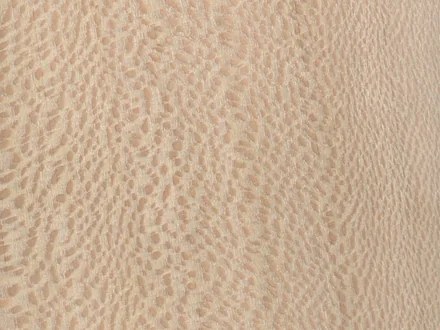 Sycamore, American Domestic hardwood | Medium | Easy | Finishes well | Furniture, Flooring | |
| |||||
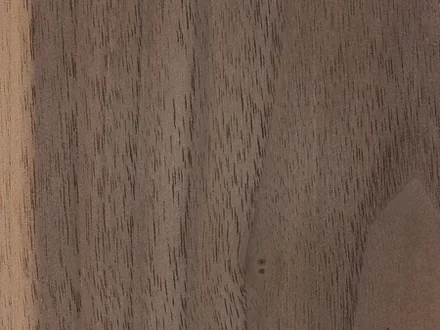 Walnut, black Domestic hardwood | Medium | Easy | Finishes well; open pores: fill for a smooth finish | Furniture, Cabinets, Trim and millwork | $$ |
| |||||
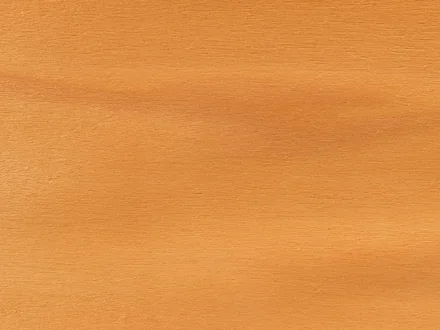 Yellow-poplar Domestic hardwood | Soft | Easy | Furniture, Trim and millwork, Cabinets | $ | |
| |||||
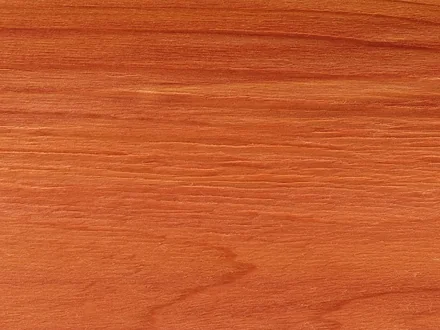 Eastern redcedar Domestic softwood | Easy | Finishes well | Outdoor | $ | |
| |||||
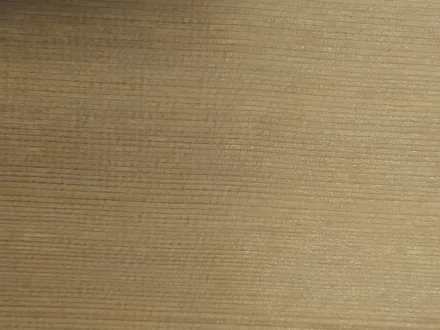 Western redcedar Domestic softwood | Soft | Easy | Finishes well | Outdoor, Trim and millwork | |
| |||||
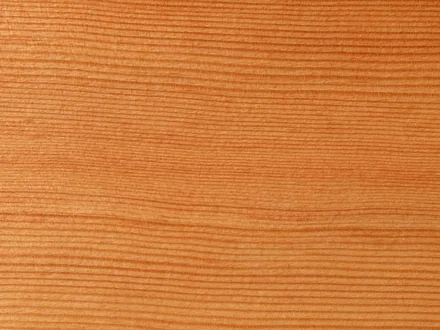 Douglas-fir, Coast Domestic softwood | Medium | Moderate | Finishes well | Trim and millwork | |
| |||||
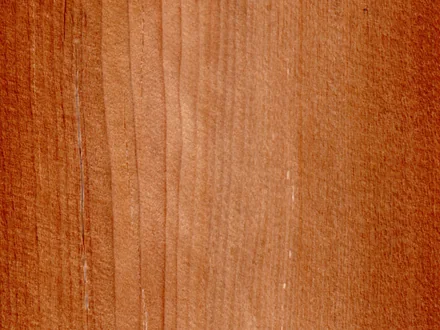 Hemlock, western Domestic softwood | Soft | Easy | Finishes well | Flooring, Furniture | |
| |||||
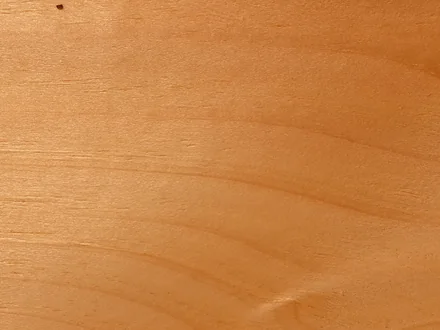 Pine, eastern white Domestic softwood | Soft | Easy | Finishes well | Furniture, Trim and millwork | |
| |||||
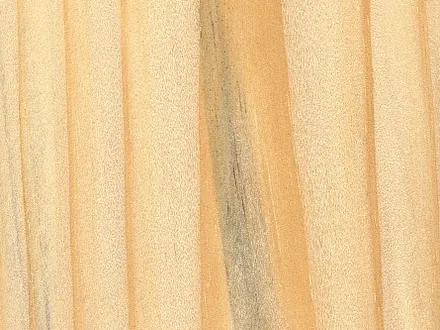 Pine, loblolly Domestic softwood | Soft | Moderate | Finishes well | Trim and millwork | |
| |||||
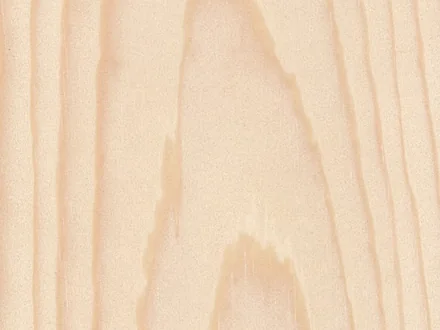 Pine, ponderosa Domestic softwood | Soft | Easy | Finishes well | Trim and millwork, Cabinets | |
| |||||
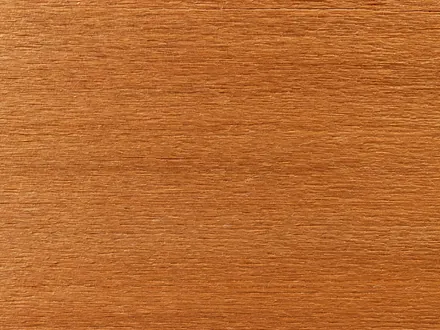 Redwood, young-growth Domestic softwood | Soft | Easy | Finishes well | Trim and millwork | |
| |||||
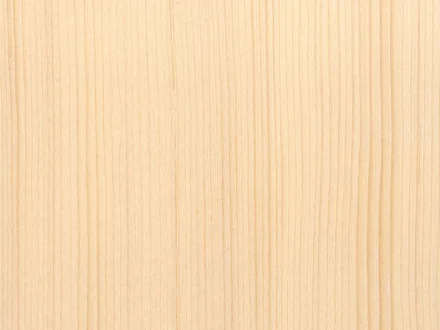 Spruce, Sitka Domestic softwood | Soft | Easy | Can blotch when stained | Furniture, Trim and millwork, Boats | |
| |||||
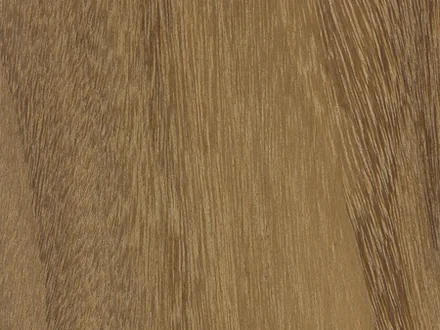 Afrormosia Imported hardwood | Hard | Easy | Finishes well | Boats, Flooring, Furniture, Trim and millwork | $$$ (quartersawn) |
| |||||
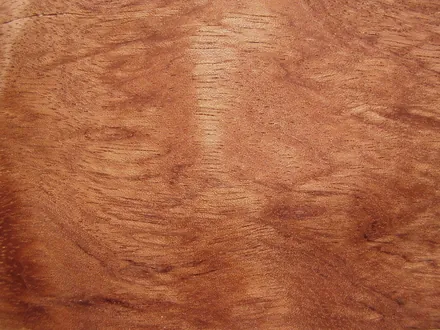 Bubinga Imported hardwood | Hard | Easy | Finishes well | Turning and carving, Flooring, Furniture, Cabinets | $$$ |
| |||||
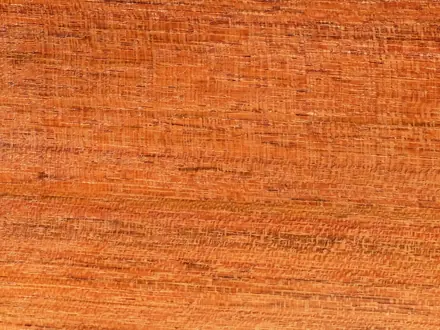 Courbaril Imported hardwood; also called jatoba | Hard | Tricky | Finishes well | Flooring, Turning and carving, Furniture, Cabinets | |
| |||||
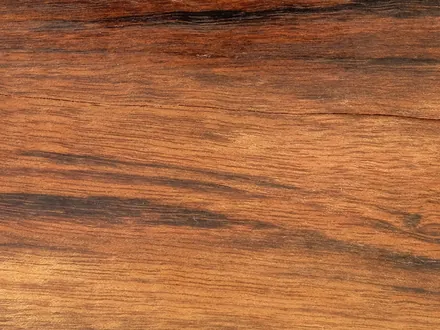 Goncalo alves Imported hardwood | Hard | Moderate | Finishes well | Flooring, Furniture, Cabinets, Turning and carving | $$$ |
| |||||
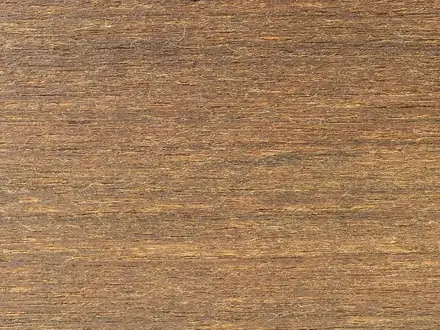 Ipe Imported hardwood | Hard | Tricky | Finishing can be tricky | Outdoor, Turning and carving | $$$ |
| |||||
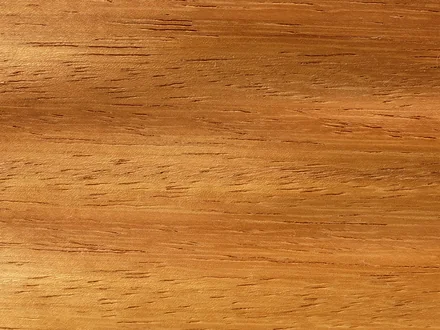 Iroko Imported hardwood | Hard | Moderate | Finishes well | Boats, Flooring, Furniture, Cabinets | $$ |
| |||||
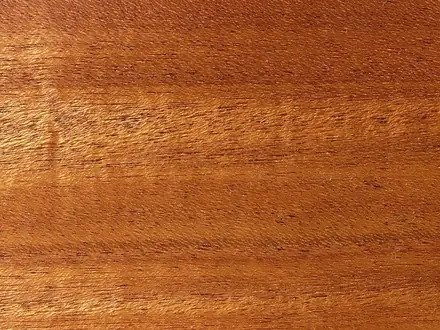 Mahogany, African Imported hardwood | Medium | Easy | Finishes well | Furniture, Cabinets, Trim and millwork, Boats | $$ (quartersawn) |
| |||||
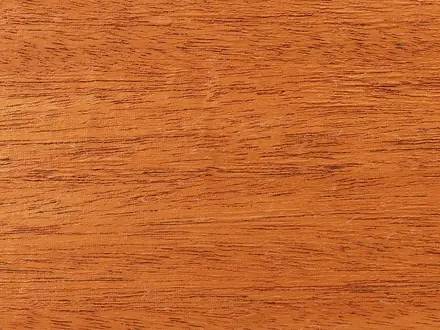 Mahogany, true Imported hardwood | Medium | Easy | Finishes well | Furniture, Cabinets, Trim and millwork, Boats, Turning and carving | $$ |
| |||||
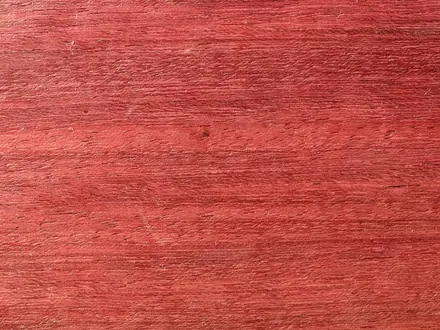 Purpleheart Imported hardwood | Hard | Tricky | Finishes well | Turning and carving, Cabinets, Furniture, Flooring | $$ |
| |||||
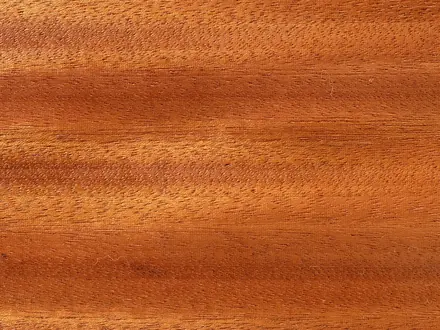 Sapele Imported hardwood | Hard | Tricky | Finishes well | Furniture, Cabinets, Flooring | $$ |
| |||||
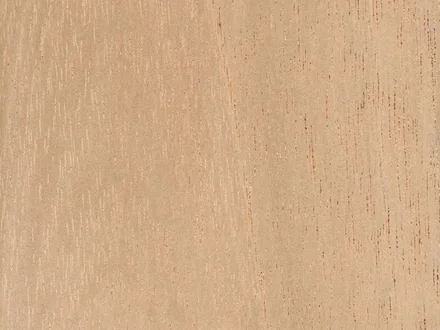 Spanish-cedar Imported hardwood | Soft | Easy | Finishing can be tricky | Trim and millwork, Cabinets, Furniture, Boats | $$ |
| |||||
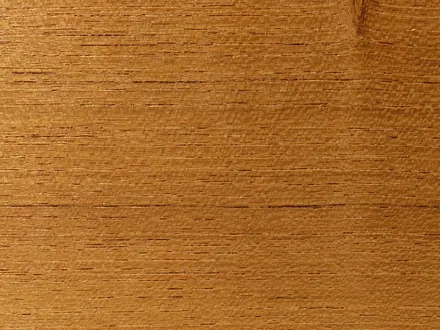 Teak Imported hardwood | Medium | Moderate | Finishes well | Boats, Furniture, Flooring | $$$ |
| |||||
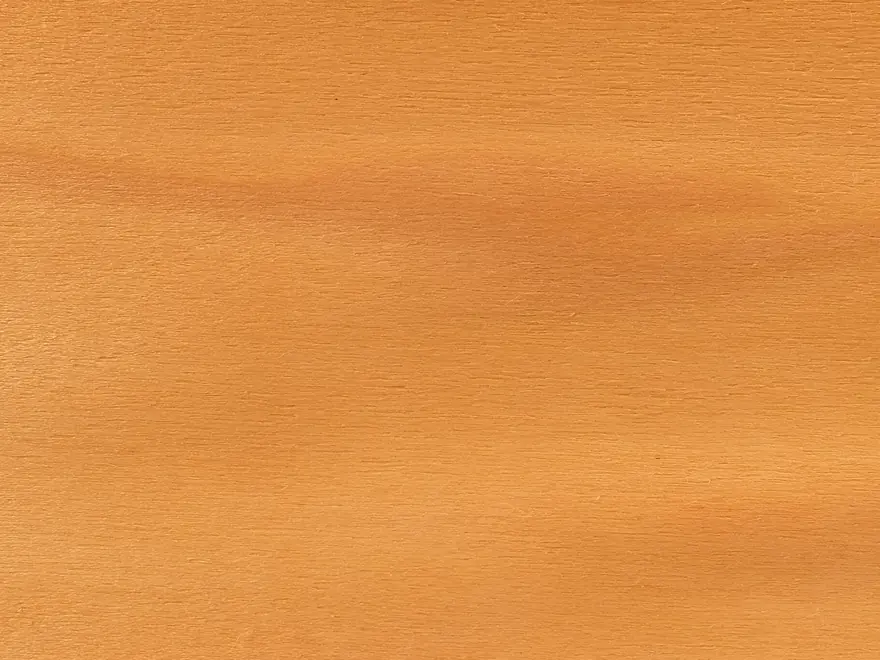
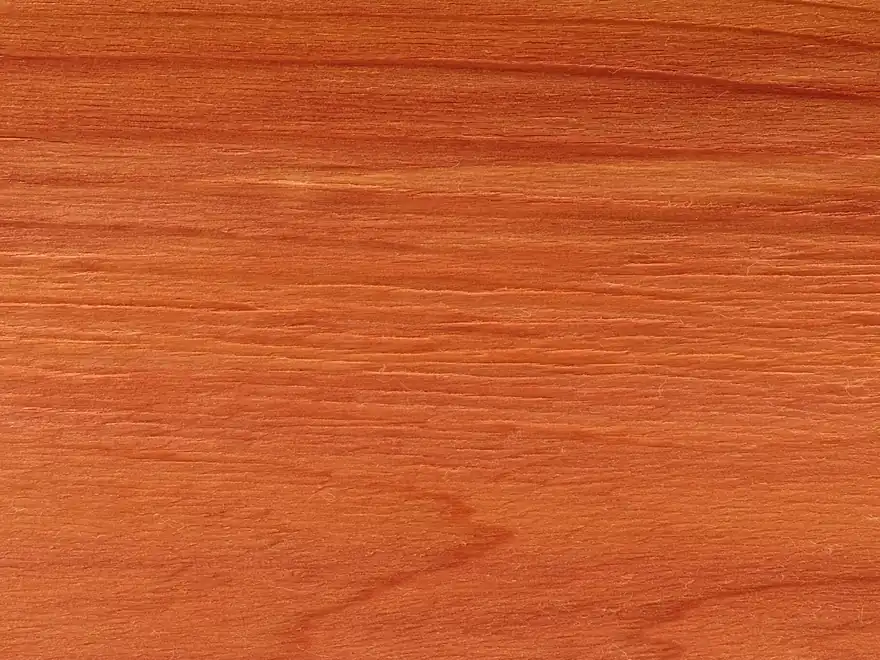
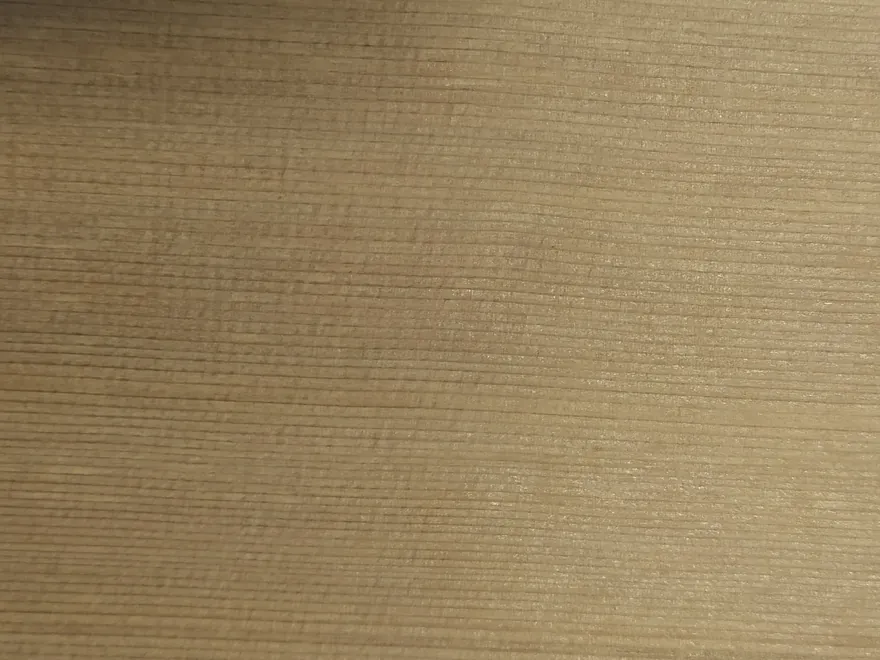
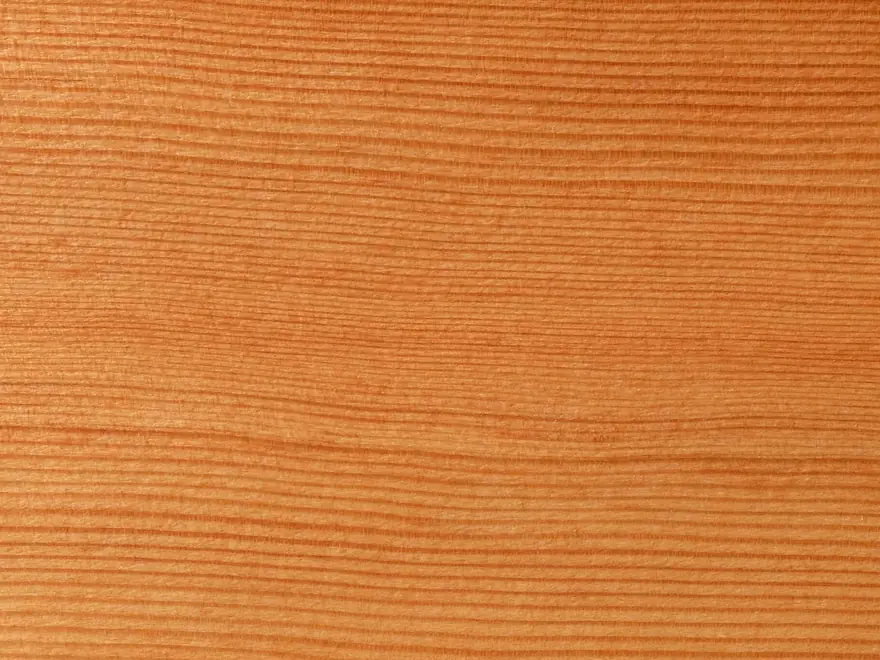
Price band is a rough guide from suppliers’ posted prices for 4/4 lumber (Woodworkers Source on Oct 25, 2026; Hearne Hardwoods for sapele on Oct 29, 2026); prices vary by region, grade, width and supplier, and some species are listed only quartersawn. Prices are shown for comparison only; we don’t sell lumber or endorse any seller.
Photo credits
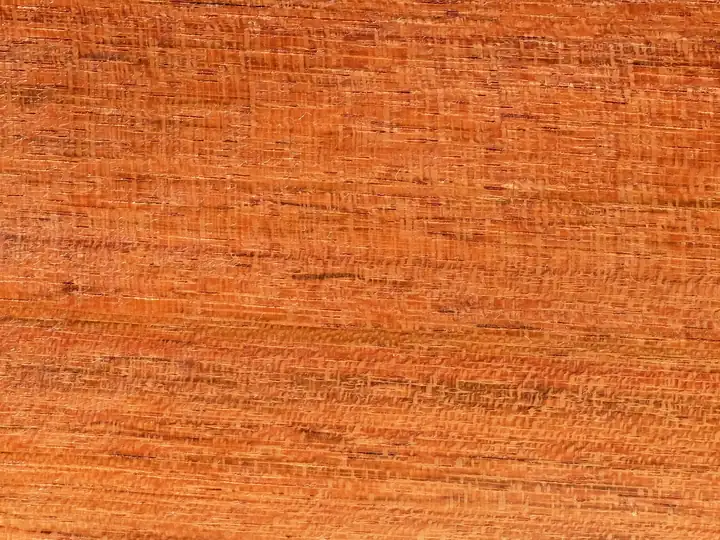
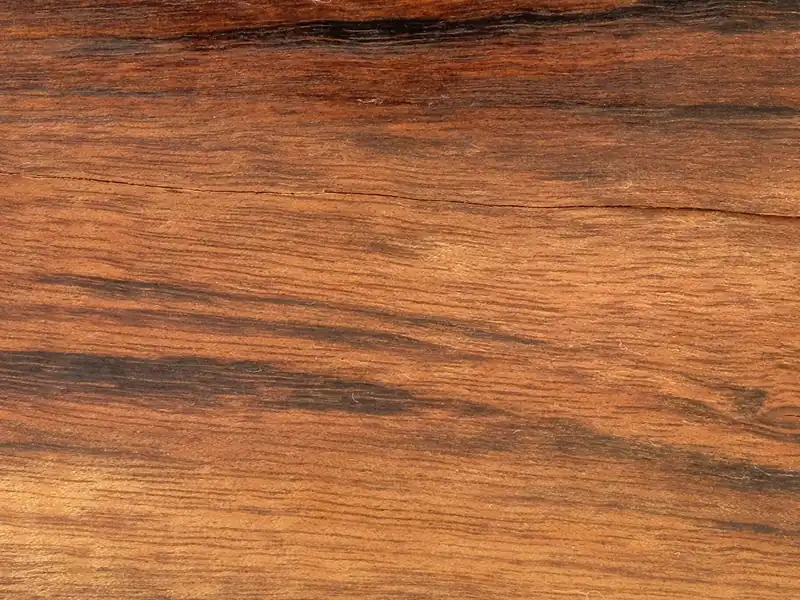
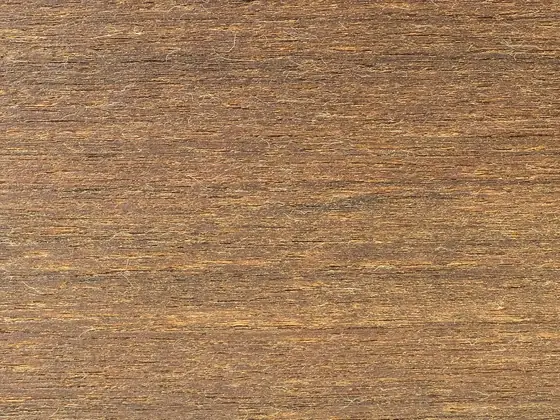
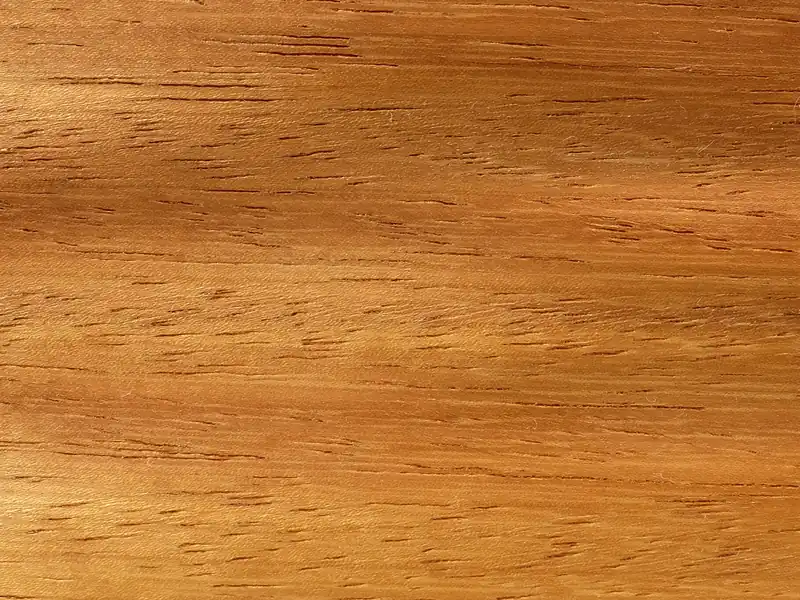
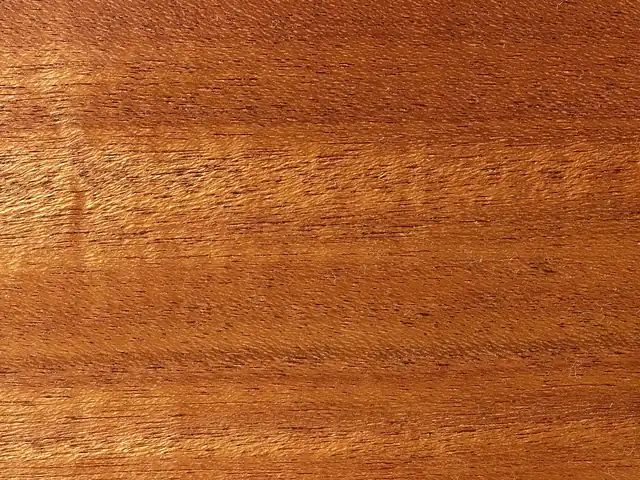
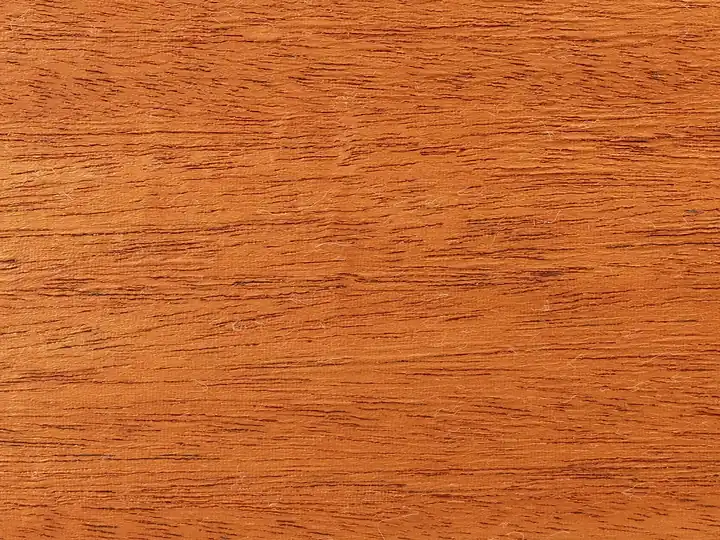
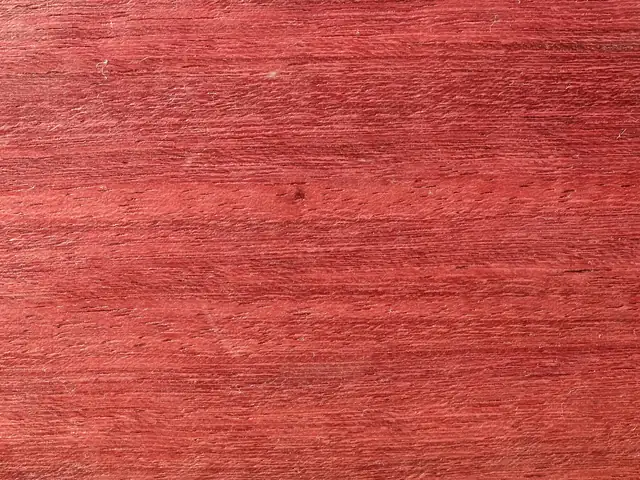
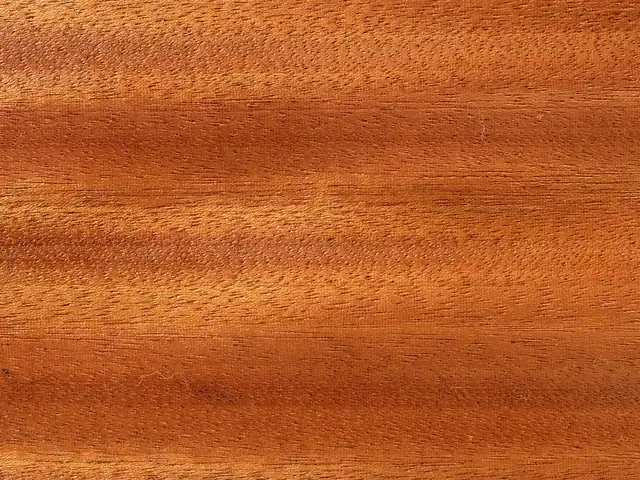
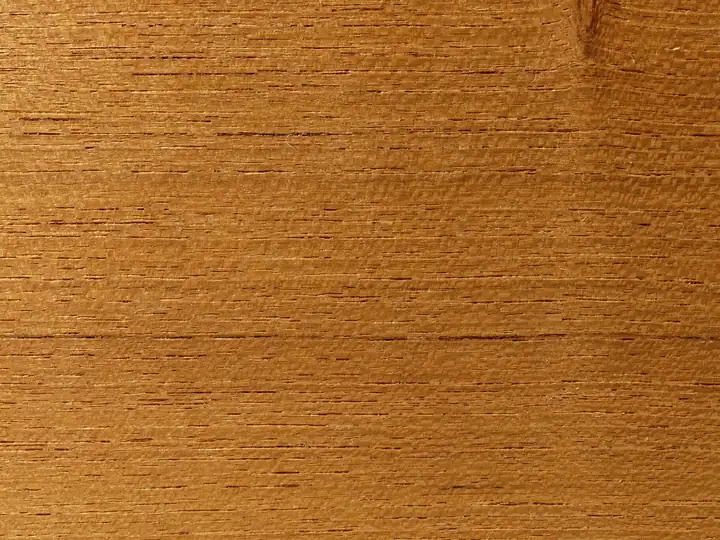
Face grain photos come from Wikimedia Commons, shared under the Creative Commons license or public domain dedication listed with each photo and cropped for this page, and from The Wood Database, as credited under each photo. If you own an image here and want it removed or credited differently, email hello@sawdustsmart.com.
- Alder, red: “alnus-rubra.jpg” © The Wood Database (wood-database.com), shown to identify the species. All rights belong to The Wood Database. Cropped to the face-grain area and resized to 440×330 WebP. (external site, opens in a new tab)
- Ash, white: “ash.jpg” © The Wood Database (wood-database.com, white ash page), shown to identify the species. All rights belong to The Wood Database. Cropped to the face-grain area and resized to 440×330 WebP. (external site, opens in a new tab)
- Basswood, American: “tilia-americana.jpg” © The Wood Database (wood-database.com), shown to identify the species. All rights belong to The Wood Database. Cropped to the face-grain area and resized to 440×330 WebP. (external site, opens in a new tab)
- Beech, American: “fagus-grandifolia-fs.jpg” © The Wood Database (wood-database.com), shown to identify the species. All rights belong to The Wood Database. Cropped to the face-grain area and resized to 440×330 and 720×540 WebP. (external site, opens in a new tab)
- Birch, yellow: “yellow-birch.jpg” © The Wood Database (wood-database.com), shown to identify the species. All rights belong to The Wood Database. Cropped to the face-grain area and resized to 440×330 WebP. (external site, opens in a new tab)
- Butternut: “butternut.jpg” © The Wood Database (wood-database.com), shown to identify the species. All rights belong to The Wood Database. Cropped to the face-grain area and resized to 440×330 WebP. (external site, opens in a new tab)
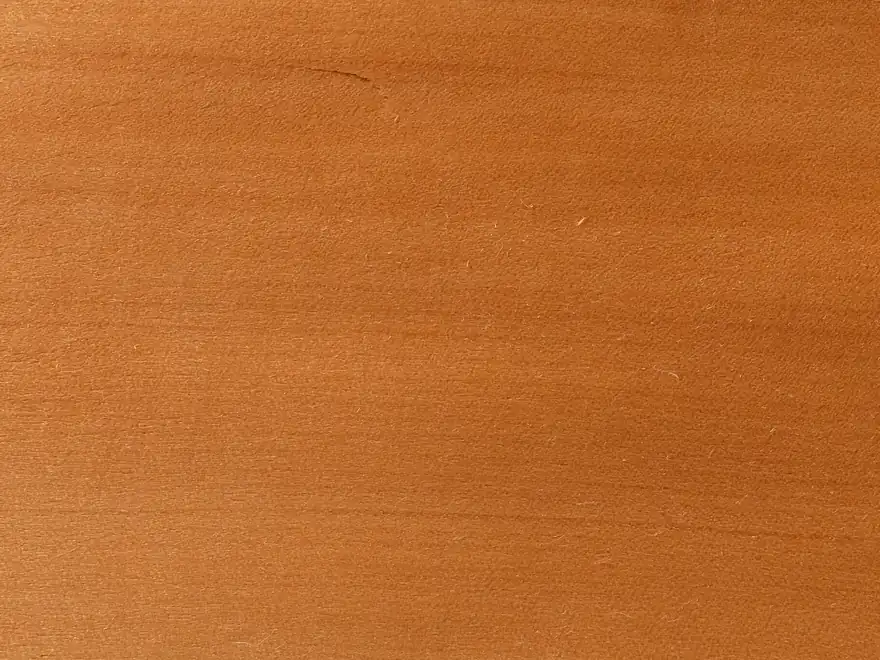
- Cherry, black: “Amerikanischer Kirschbaum Holz.JPG” by Philipp Zinger. CC BY-SA 4.0. Cropped to the face-grain area and resized to 440×330 and 880×660 WebP; this version is also CC BY-SA 4.0. (external site, opens in a new tab) (CC BY-SA 4.0)
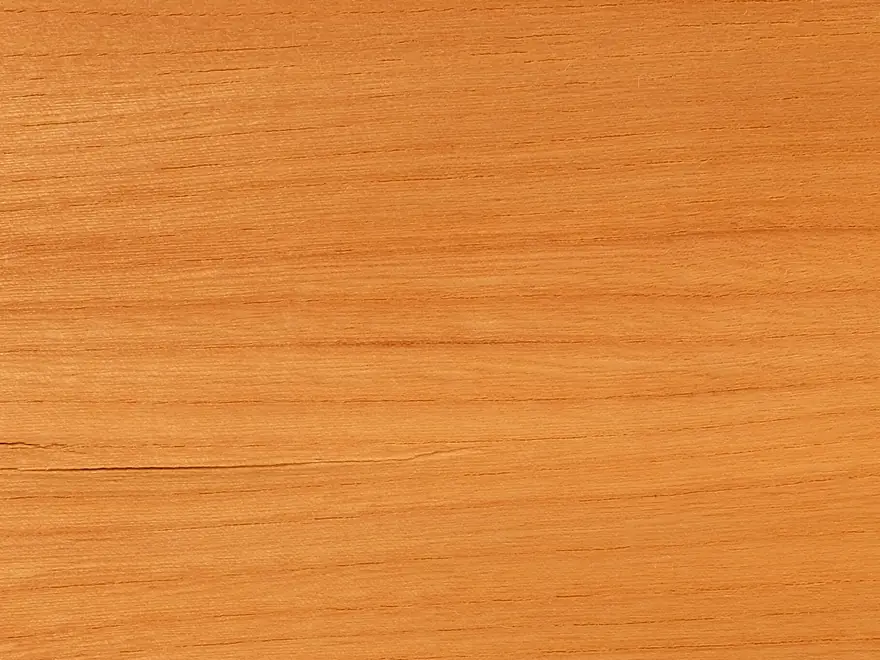
- Elm, American: “Kanadischer Rüster Holz.JPG” by Philipp Zinger. CC BY-SA 4.0. Cropped to the face-grain area and resized to 440×330 and 880×660 WebP; this version is also CC BY-SA 4.0. (external site, opens in a new tab) (CC BY-SA 4.0) The source labels this sample grey elm, a trade name; it may not be American elm specifically.
- Pecan (pecan hickory): “pecan.jpg” © The Wood Database (wood-database.com), shown to identify the species. All rights belong to The Wood Database. Cropped to the face-grain area and resized to 440×330 WebP. (external site, opens in a new tab)
- Hickory, shagbark: “shagbark-hickory.jpg” © The Wood Database (wood-database.com), shown to identify the species. All rights belong to The Wood Database. Cropped to the face-grain area and resized to 440×330 WebP. (external site, opens in a new tab)
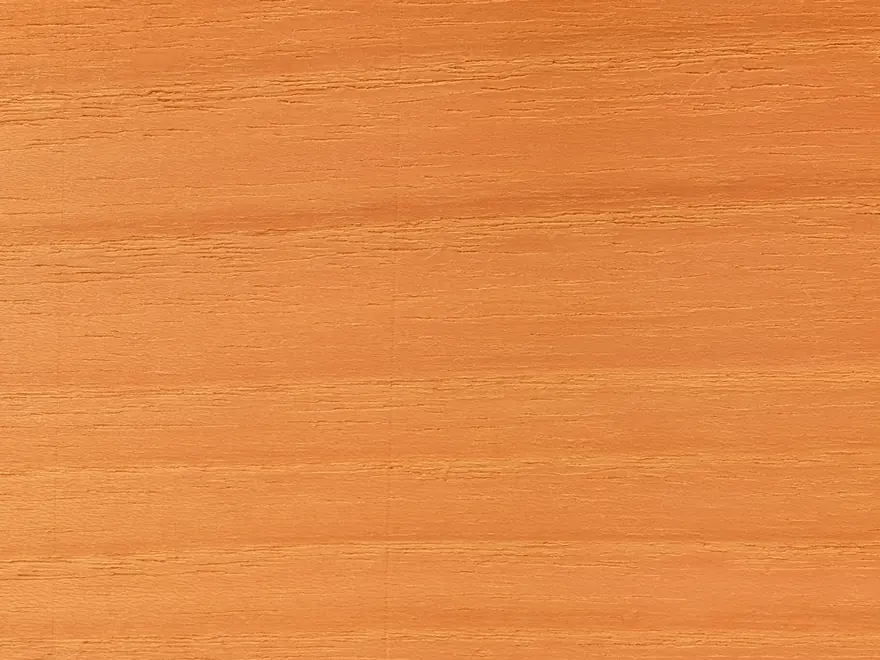
- Locust, black: “158.Robinie.JPG” by Philipp Zinger. CC BY-SA 4.0. Cropped to the face-grain area and resized to 440×330 and 880×660 WebP; this version is also CC BY-SA 4.0. (external site, opens in a new tab) (CC BY-SA 4.0)
- Maple, red: “acer-rubrum.jpg” © The Wood Database (wood-database.com), shown to identify the species. All rights belong to The Wood Database. Cropped to the face-grain area and resized to 440×330 WebP. (external site, opens in a new tab)
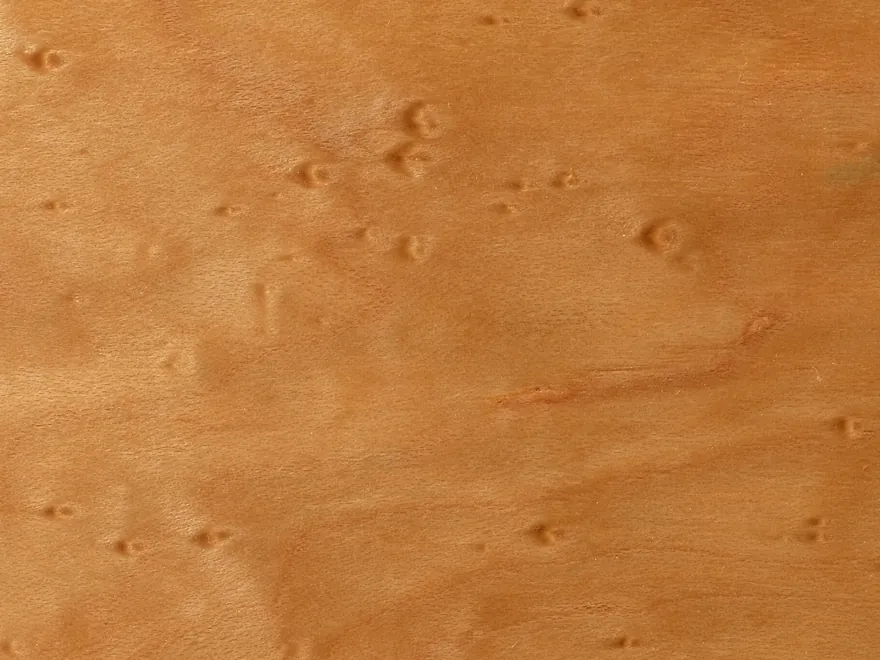
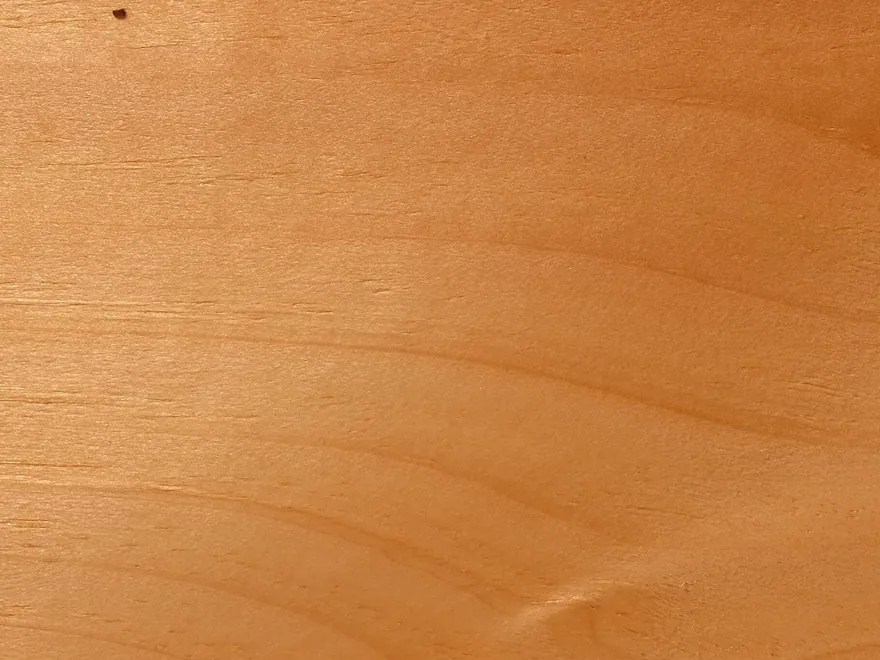
- Maple, sugar: “Zuckerahorn Holz.JPG” by Philipp Zinger. CC BY-SA 4.0. Cropped to the face-grain area and resized to 440×330 and 880×660 WebP; this version is also CC BY-SA 4.0. (external site, opens in a new tab) (CC BY-SA 4.0) This sample has bird's-eye figure; most sugar maple boards are plain.
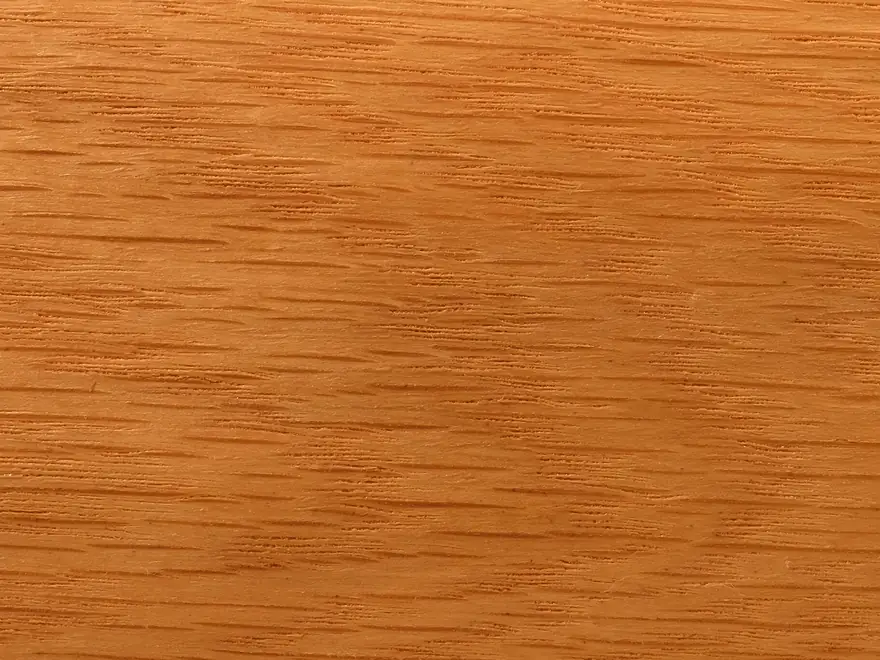
- Oak, northern red: “Roteiche Holz.JPG” by Philipp Zinger. CC BY-SA 4.0. Cropped to the face-grain area and resized to 440×330 and 880×660 WebP; this version is also CC BY-SA 4.0. (external site, opens in a new tab) (CC BY-SA 4.0) The source labels this sample red oak; it may not be northern red oak specifically.
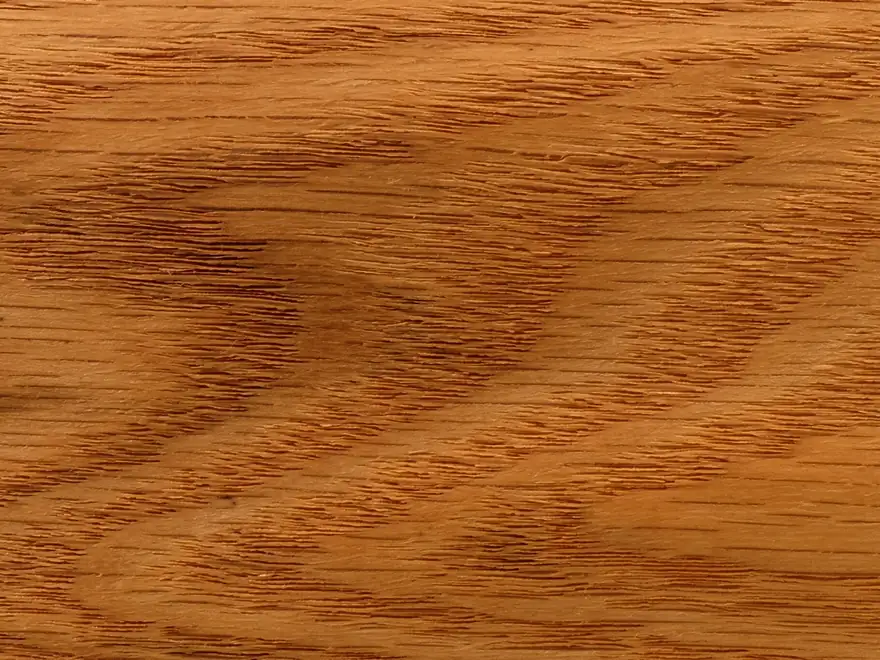
- Oak, white: “Weißeiche Holz.JPG” by Philipp Zinger. CC BY-SA 4.0. Cropped to the face-grain area and resized to 440×330 and 880×660 WebP; this version is also CC BY-SA 4.0. (external site, opens in a new tab) (CC BY-SA 4.0)
- Sweetgum: “Sweetgum.JPG” by Philipp Zinger. CC BY-SA 3.0. Cropped to the face-grain area and resized to 440×330 and 880×660 WebP; this version is also CC BY-SA 3.0. (external site, opens in a new tab) (CC BY-SA 3.0)
- Sycamore, American: “sycamore.jpg” © The Wood Database (wood-database.com), shown to identify the species. All rights belong to The Wood Database. Cropped to the face-grain area and resized to 440×330 WebP. (external site, opens in a new tab)
- Walnut, black: “juglans-nigra.jpg” © The Wood Database (wood-database.com), shown to identify the species. All rights belong to The Wood Database. Cropped to the face-grain area and resized to 440×330 WebP. (external site, opens in a new tab)
- Yellow-poplar: “Whitewood Holz.JPG” by Philipp Zinger. CC BY-SA 4.0. Cropped to the face-grain area and resized to 440×330 and 880×660 WebP; this version is also CC BY-SA 4.0. (external site, opens in a new tab) (CC BY-SA 4.0)
- Eastern redcedar: “Bleistiftzeder Holz.JPG” by Philipp Zinger. CC BY-SA 4.0. Cropped to the face-grain area and resized to 440×330 and 880×660 WebP; this version is also CC BY-SA 4.0. (external site, opens in a new tab) (CC BY-SA 4.0)
- Western redcedar: “Radial section of a WRC wood specimen (Thuja plicata).jpg” by G-Lignum, via Wikimedia Commons, dedicated to the public domain (CC0 1.0). Cropped to the face-grain area and resized to 440×330 and 880×660 WebP. (external site, opens in a new tab) (CC0)
- Douglas-fir, Coast: “Douglasie Holz.JPG” by Philipp Zinger. CC BY-SA 3.0. Cropped to the face-grain area and resized to 440×330 and 880×660 WebP; this version is also CC BY-SA 3.0. (external site, opens in a new tab) (CC BY-SA 3.0)
- Hemlock, western: “Wood of Tsuga heterophylla.jpg” by Achim Raschka. CC BY-SA 3.0. Cropped to the face-grain area and resized to 440×330 and 880×660 WebP; this version is also CC BY-SA 3.0. (external site, opens in a new tab) (CC BY-SA 3.0)
- Pine, eastern white: “Weymouth-Kiefer Holz.JPG” by Philipp Zinger. CC BY-SA 3.0. Cropped to the face-grain area and resized to 440×330 and 880×660 WebP; this version is also CC BY-SA 3.0. (external site, opens in a new tab) (CC BY-SA 3.0)
- Pine, loblolly: “loblolly-pine.jpg” © The Wood Database (wood-database.com), shown to identify the species. All rights belong to The Wood Database. Cropped to the face-grain area and resized to 440×330 WebP. (external site, opens in a new tab)
- Pine, ponderosa: “ponderosa-pine.jpg” © The Wood Database (wood-database.com), shown to identify the species. All rights belong to The Wood Database. Cropped to the face-grain area and resized to 440×330 WebP. (external site, opens in a new tab)
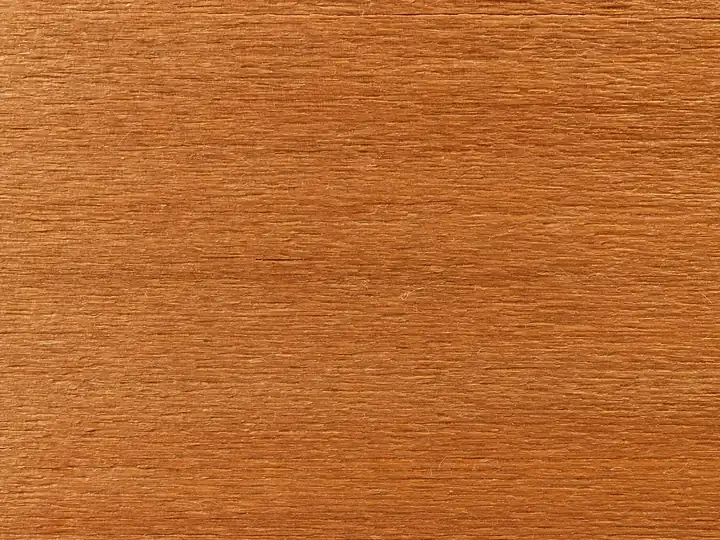
- Redwood, young-growth: “Californian Redwood Holz.JPG” by Philipp Zinger. CC BY-SA 4.0. Cropped to the face-grain area and resized to 440×330 and 720×540 WebP; this version is also CC BY-SA 4.0. (external site, opens in a new tab) (CC BY-SA 4.0) The source labels this sample Californian redwood; it may not be young-growth wood.
- Spruce, Sitka: “sitka-spruce.jpg” © The Wood Database (wood-database.com), shown to identify the species. All rights belong to The Wood Database. Cropped to the face-grain area and resized to 440×330 WebP. (external site, opens in a new tab)
- Afrormosia: “pericopsis-elata-fs.jpg” © The Wood Database (wood-database.com), shown to identify the species. All rights belong to The Wood Database. Cropped to the face-grain area and resized to 440×330 WebP. (external site, opens in a new tab)
- Bubinga: “Bubinga.JPG” by Philipp Zinger. CC BY-SA 3.0. Cropped to the face-grain area and resized to 440×330 and 720×540 WebP; this version is also CC BY-SA 3.0. (external site, opens in a new tab) (CC BY-SA 3.0)
- Courbaril: “Jatoba Holz.JPG” by Philipp Zinger. CC BY-SA 4.0. Cropped to the face-grain area and resized to 440×330 and 720×540 WebP; this version is also CC BY-SA 4.0. (external site, opens in a new tab) (CC BY-SA 4.0)
- Goncalo alves: “Goncalo alves Holz.JPG” by Philipp Zinger. CC BY-SA 4.0. Cropped to the face-grain area and resized to 440×330 and 800×600 WebP; this version is also CC BY-SA 4.0. (external site, opens in a new tab) (CC BY-SA 4.0)
- Ipe: “Ipé Holz.JPG” by Philipp Zinger. CC BY-SA 4.0. Cropped to the face-grain area and resized to 440×330 and 560×420 WebP; this version is also CC BY-SA 4.0. (external site, opens in a new tab) (CC BY-SA 4.0)
- Iroko: “Iroko Holz.JPG” by Philipp Zinger. CC BY-SA 4.0. Cropped to the face-grain area and resized to 440×330 and 800×600 WebP; this version is also CC BY-SA 4.0. (external site, opens in a new tab) (CC BY-SA 4.0)
- Mahogany, African: “Khaya-Mahagoni.JPG” by Philipp Zinger. CC BY-SA 3.0. Cropped to the face-grain area and resized to 440×330 and 640×480 WebP; this version is also CC BY-SA 3.0. (external site, opens in a new tab) (CC BY-SA 3.0)
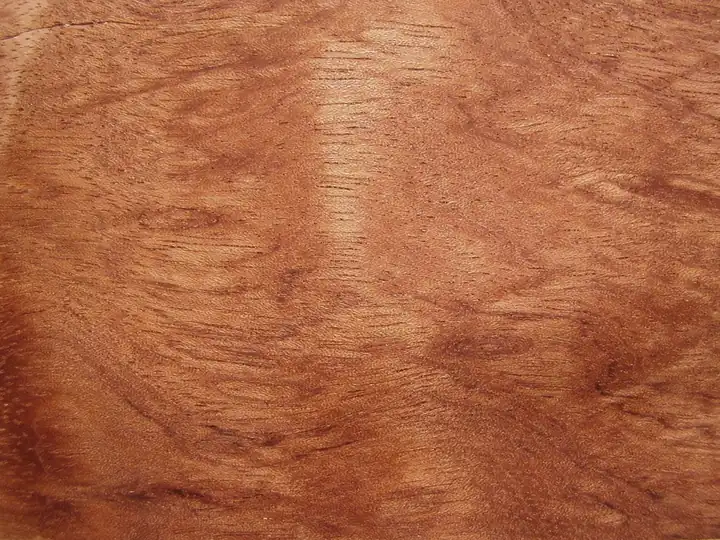
- Mahogany, true: “Amerikanisches Mahagoni.jpg” by Philipp Zinger. CC BY-SA 3.0. Cropped to the face-grain area and resized to 440×330 and 720×540 WebP; this version is also CC BY-SA 3.0. (external site, opens in a new tab) (CC BY-SA 3.0)
- Purpleheart: “Amarant Holz.JPG” by Philipp Zinger. CC BY-SA 4.0. Cropped to the face-grain area and resized to 440×330 and 640×480 WebP; this version is also CC BY-SA 4.0. (external site, opens in a new tab) (CC BY-SA 4.0)
- Sapele: “Sapelli-Mahagoni Holz.JPG” by Philipp Zinger. CC BY-SA 4.0. Cropped to the face-grain area and resized to 440×330 and 640×480 WebP; this version is also CC BY-SA 4.0. (external site, opens in a new tab) (CC BY-SA 4.0)
- Spanish-cedar: “spanish-cedar.jpg” © The Wood Database (wood-database.com), shown to identify the species. All rights belong to The Wood Database. Cropped to the face-grain area and resized to 440×330 WebP. (external site, opens in a new tab)
- Teak: “Teak wood.JPG” by Philipp Zinger. CC BY-SA 4.0. Cropped to the face-grain area and resized to 440×330 and 720×540 WebP; this version is also CC BY-SA 4.0. (external site, opens in a new tab) (CC BY-SA 4.0)
What the labels mean
- Hardness: how well the wood resists dents. Soft is under 700 lbf, Medium is 700 to 1,199 lbf, and Hard is 1,200 lbf or more on the handbook’s side hardness test (a modified Janka test). These bands are Sawdust Smart’s own, not the handbook’s.
- Workability: we apply the same fixed word rules to the “Workability” note on each species’ page at The Wood Database, checked in this order. Tricky if the note calls the wood difficult to work or machine, a difficult wood to work, a challenge or troublesome to work, or says it has unique challenges. Moderate if it says fairly easy, fairly well, not too difficult or mixed, or names moderate or pronounced blunting, or moderate or significant dulling, of cutters. Otherwise Easy if it says easy to work, easily worked, works easily, works well, machines well, good results, good workability or that its working properties are good. No match, no label.
- Finish: we apply fixed word rules to the same Wood Database note. Can blotch when stained if it mentions blotching. Finishing can be tricky if it says something in the wood can interfere with finishing or make finishing a challenge. Finishes well if it says the wood finishes well. If the note says nothing about finishing, we use the Wood Handbook’s species description. Open pores and small pores come from the Wood Handbook’s list of woods with large and small pores; open-pored woods may need a grain filler for a smooth finish.
- Good for: uses the Wood Handbook lists for the species that a woodworker is likely to care about (from The Wood Database’s “Common Uses” where the handbook lists none). It is a list of what the wood is used for, not a guarantee it suits your project.
- Price band: the price per board foot of Woodworkers Source’s standard 4/4 (1 inch rough) lumber for the species (checked Oct 25, 2026), not knotty, paint-grade, roasted, figured or premium boards. $ is under $8.00, $$ is $8.00 to $14.99 and $$$ is $15.00 or more. Prices change and vary by region, grade and seller, so use the band only to compare species. On Oct 25, 2026, Woodworkers Source sold sapele 4/4 only as figured Ribbon Stripe, so sapele’s band uses Hearne Hardwoods’ plain (no figure) flat-sawn 4/4 FAS price for 4″ to 8.5″ widths instead (checked Oct 29, 2026); wider boards cost more. Species that supplier did not sell as 4/4 lumber that day have no price band. Price band is a rough guide from suppliers’ posted prices for 4/4 lumber (Woodworkers Source on Oct 25, 2026; Hearne Hardwoods for sapele on Oct 29, 2026); prices vary by region, grade, width and supplier, and some species are listed only quartersawn. Prices are shown for comparison only; we don’t sell lumber or endorse any seller.
- The numbers: the exact figures behind the labels, plus weight (specific gravity), strength, stiffness, shrinkage and decay resistance, and the source of each label.
What is left out
Where we found no source for a label, we leave it out rather than guess. Where the handbook gives no decay rating, we use The Wood Database’s rating and say so. We don’t mix The Wood Database’s hardness figures into the handbook’s hardness column or bands; where it gives a range of decay resistance, we show the lower end. This table doesn’t cover health effects. Many wood dusts can irritate skin, eyes and lungs or cause allergies, and some species are known sensitizers; wood dust is classed as a human carcinogen. Use dust collection and a dust mask or respirator rated for fine dust. Some species are protected under CITES or local law; check that any wood you buy is legally sourced.
Sources
Hardness bands use side hardness from Table 5-3b (domestic) and Table 5-5b (imported). Workability and finish labels quote each species’ page at The Wood Database. Uses quote the species descriptions in Chapter 2 of the handbook, and the pore notes quote Chapter 16 (Fillers and Sealers). Price bands use Woodworkers Source’s listed prices on October 25, 2026, except sapele, which uses Hearne Hardwoods’ price on October 29, 2026. Turn on “Show the numbers and sources” to see the source of each label, with a link. The other handbook figures come from Tables 4-3, 4-4, 5-3b, 5-5b and 14-1. The handbook says its imported-wood figures come from world literature, that they may not represent species averages, and that “the appropriateness of these properties to represent a species is not known.” Treat them as rough guides.
- Forest Products Laboratory. 2021. Wood handbook: wood as an engineering material. General Technical Report FPL-GTR-282. USDA Forest Service. (external site, opens in a new tab)
- The Wood Database (wood-database.com), species pages, accessed October 25, 2026 (external site, opens in a new tab)
- Woodworkers Source, lumber price list, accessed October 25, 2026 (external site, opens in a new tab)
- Hearne Hardwoods, sapele lumber page, accessed October 29, 2026 (external site, opens in a new tab)
Average values for clear, straight-grained samples, for comparison only. They are not design values for structural use. Lumber varies by tree, region and grade.
This lookup runs in your browser only. Your searches and filters aren’t sent to us or anyone else, and the lookup doesn’t save them. The page itself uses analytics; see our privacy policy.
Related
We pick tools from independent tests and reviews, not our own testing.