
Top tools
Circular saws
The circular saws we'd buy: a low-cost corded saw for your first one, then a lighter corded saw with a blade brake, or a cordless saw if you're on Milwaukee's M18 batteries. Picked from independent tests, maker specs and store review counts.
Safety first: read the safety notes before you use one.
Our picks
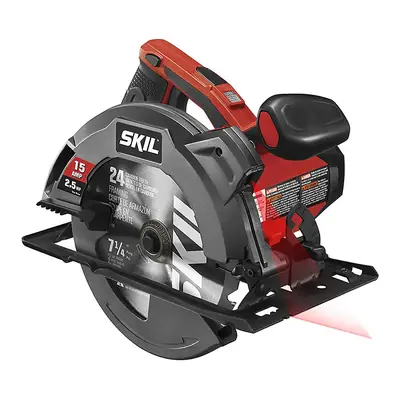
Budget corded circular saw
Skil 15 amp 7-1/4 in. corded circular saw with laser
Our budget pick for a first circular saw. It's corded, so it costs less than a cordless saw plus battery and charger, and it never runs out of charge halfway through a sheet of plywood.
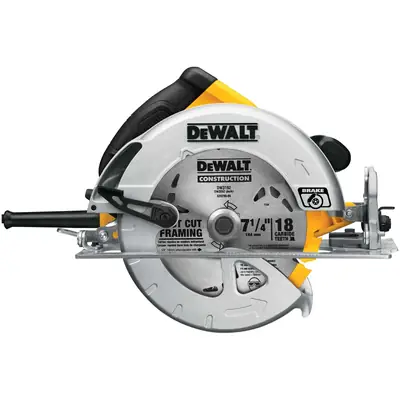
Corded upgrade with a blade brake
DeWalt 15 amp 7-1/4 in. lightweight circular saw with electric brake
Our corded step up if you'll use a circular saw often: a 15 amp, 8.8 lb saw with an electric brake that stops the blade sooner after you release the trigger.
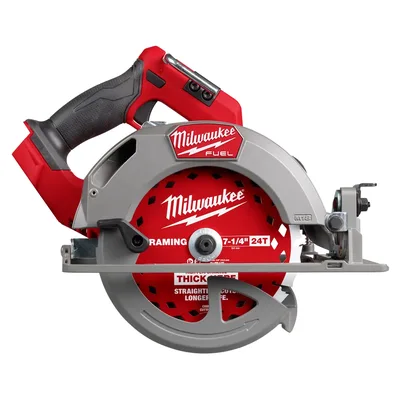
Cordless circular saw (for M18 battery owners)
Milwaukee M18 Fuel 7-1/4 in. circular saw (tool only)
Our cordless pick if you already own, or plan to buy into, Milwaukee's M18 batteries. There's no cord to drag across the deck or snag on the sawhorses, and Pro Tool Reviews found that today's top cordless saws can keep up with a 15 amp corded saw.
Product images are from each maker’s product page or the product’s store listing, as listed under Photo credits on this page, and are shown only to identify the products. The makers and stores haven’t reviewed, sponsored or endorsed this page. If you own an image here and want it removed, email hello@sawdustsmart.com.
Photo credits
- Skil 15 amp 7-1/4 in. corded circular saw with laser: Image: SKIL product image, via the Amazon listing
- DeWalt 15 amp 7-1/4 in. lightweight circular saw with electric brake: Image: DEWALT product image
- Milwaukee M18 Fuel 7-1/4 in. circular saw (tool only): Image: Milwaukee product image
What to look for in a circular saw
-
Corded or cordless. A corded saw costs less, never needs charging and is plenty for a first saw. Cordless is worth it once you’re on a battery platform, but the battery and charger add to the price, and they only work with that brand’s tools.
-
A 7-1/4 in. blade. It’s the standard size, blades are easy to find, and it cuts through 2x lumber (1-1/2 in. thick) in one pass even with the blade tilted to 45°. Smaller saws are lighter but may need two passes on a bevel.
-
Which side the blade is on. On a blade-right saw, like our budget pick, more of the base sits on the board while you cut, and TechGearLab suggests blade-right for beginners. Blade-left saws give right-handers a clearer view of the blade. Try both in the store if you can.
-
Adjustments you can read. Levers rather than thumbscrews, a bevel scale you can see in a dim garage, and a positive stop at 45° make square and bevel cuts quicker and more repeatable. TechGearLab’s complaints about our budget pick were mostly about these.
-
An electric brake. It stops the blade sooner after you let go of the trigger instead of letting it coast. It isn’t required, but it means less time with a spinning blade after the cut.
-
The blade and a guide matter as much as the saw. The blade in the box is often a 24-tooth framing blade, made for fast, rough cuts. For plywood and furniture parts, a blade with more teeth leaves a cleaner edge. For straight rips, clamp a straightedge to the work and run the saw’s base against it.
How we picked
We didn't hands-on test these. We picked them by reading independent tests, reviews and guides (TechGearLab, Popular Mechanics, Pro Tool Reviews, Popular Woodworking, Popular Science and Project Farm), checking each maker's spec page, and looking at review counts at Home Depot. Every pick has at least three independent sources from at least two different outlets, including at least one independent test or review. They're all linked with each pick, along with what each one found. Most of the hands-on testing of our cordless pick comes from Pro Tool Reviews, so we've also linked TechGearLab's and Project Farm's own tests of its predecessor for context. We looked for a budget cordless pick too, but the strongest candidate had hands-on testing from only one outlet, so we've left that slot out for now. Prices, review counts and links were last checked on ; prices and stock change, so check the store before you buy.
No paid links. Every link on this page is a plain link: no affiliate codes or tracking, and no company paid or asked to be listed (disclosure). Links open in a new tab.
Some outlets we cite get review samples from tool makers; we don't use pieces a maker paid for or sponsored.
We pick tools from independent tests and reviews, not our own testing.